
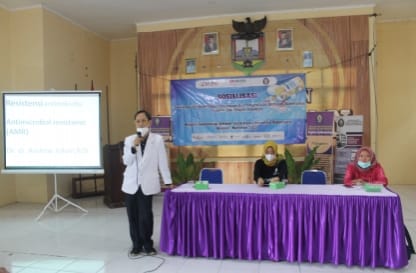
Antimicrobial Resistance (AMR) is one of the public health threats in Central Java. In
addition to the irrational use of antibiotics, it is suspected that pets and animal products play
a role in causing AMR. However, the problem that occurs is the lack of data related to AMR in
animals and humans, as well as data on clinical cases of AMR and its monitoring in hospitals
and the Health Service. Policies on the use of antibiotics as well as programs for the
prevention and control of AMR have also not worked well. This fact is supported by the low
level of public knowledge and awareness in the wise and responsible use of antibiotics.
With financial support from USAID through the small grand SEAOHUN 2022, socialization
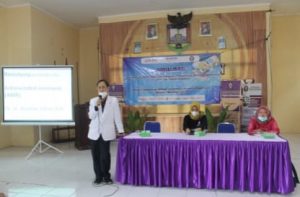
and education activities are carried out to the public about the importance of the one health
approach in preventing and controlling antimicrobial resistance. This activity begins with
sampling livestock and their products for screening for antibiotic residues, studies on risk
factors for antibiotic resistance, dissemination of information about the One Health approach,
the dangers and impacts of antibiotic/antimicrobial resistance in the community, students and
breeders, and surveillance training to health workers. The entire series of activities have been
carried out in July-December 2022.
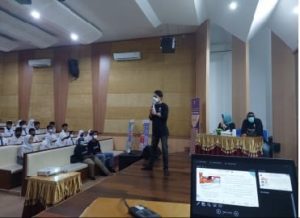
This activity received good response and support from the whole community, health
offices, hospitals, livestock and animal health services, breeders and students of Senior High
School. Several agencies want this activity to be carried out continuously and sustainably, not
only limited to the problem of antimicrobial resistance but also other health problems. Through
this activity, a collaboration (MoU) has been established with various parties including the
Central Java Provincial Health Office, the Central Java Province Animal Husbandry and
Health Office, the Education Office and the Education and Culture Office of Central Java
Province. Another benefits are increasing public knowledge and awareness of the prevention
and control of AMR and improving the skills of health human resources in AMR surveillance.
Recent Comments